
Gall of a window.
A quiet rebellion in the English countryside.

A few years ago, I had the opportunity to travel through the English countryside with my partner in life and business, Casey Smith1. The trip could be summed up as a long drive through overgrown wildflowers, punctuated by the occasional town or village. This beautiful home2, designed by Edwin Lutyens3 in 1896, was one of those punctuation marks (a comma, maybe; or a semicolon).
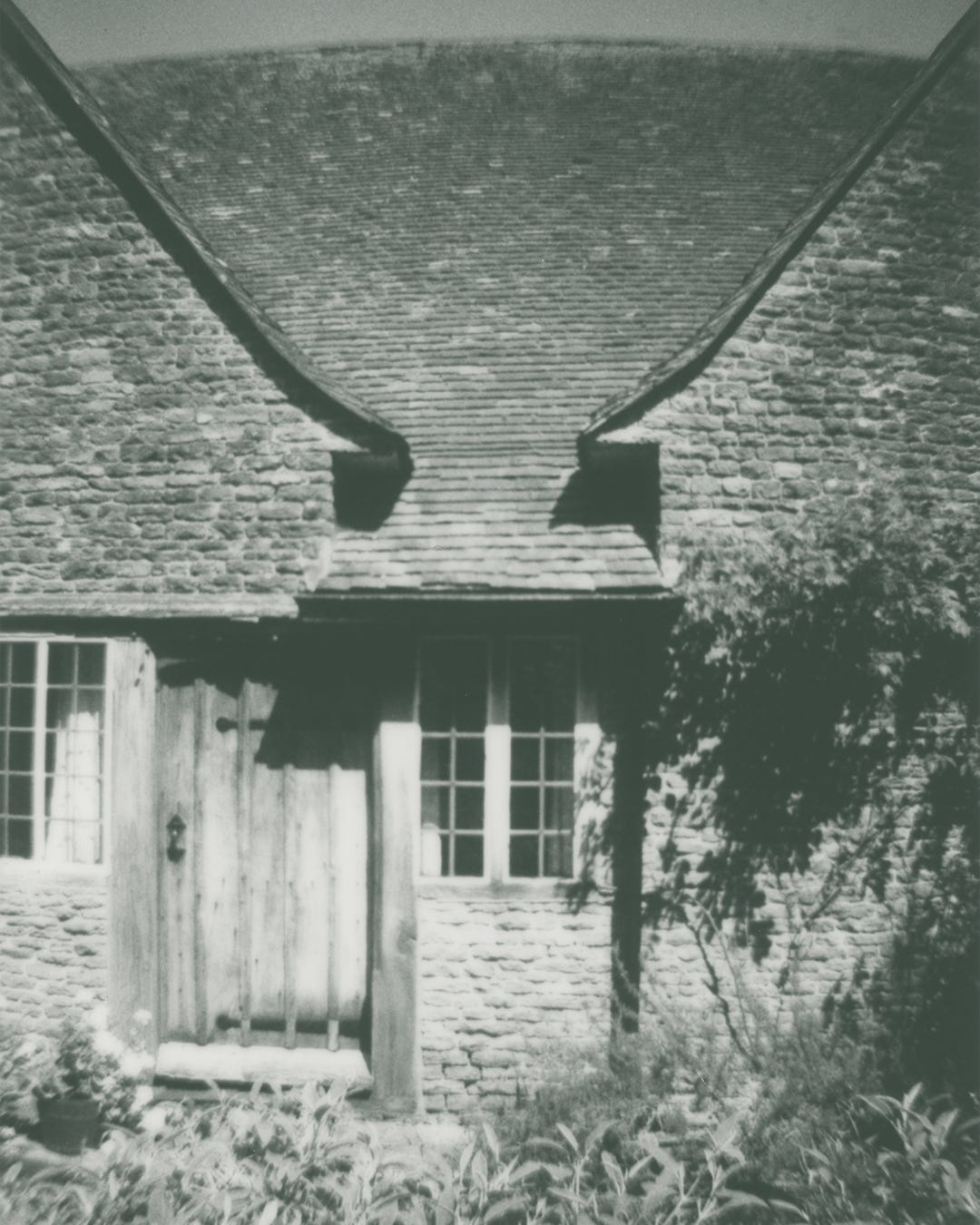
As we passed through the main entry and wandered through the garden, the moment (pictured above) broke my steady pace, like a run-on sentence you have to re-read. All the parts of the home seemed to shuffle and collapse into each other at this precise moment in its unfolding story. The gently sloping rooflines pulled me toward the center, where I noticed the door should probably have gone (because you typically cover the door for those moments when you’re caught in the rain), but the gall of this window.
The door is for doing, the window for being…
For this window to take over the plot line, pushing the door ever so slightly off the page (and not quite far enough, in my opinion) was certainly brash. I can’t imagine how many poor souls stood out in the rain while they fumbled for the key due to the self-centered act of this window. And maybe the door should have stood up for itself a little more, explained the problem to the window, or at least moved just a little more so the wall above could find its way to the ground below.
But instead of resolving this through a little negotiation, and simple clarity of thought, this run-on sentence of an elevation4 was left to be, and honestly, I think we’re better for it.
A little disruption from the steady pace of life might be exactly what we need
This home was made for the British Horticulturalist and Garden Designer Gertrude Jekyll5, who was no doubt running back and forth between the garden and the home every day, crafting the beautifully lush gardens that, at times, overgrow the home. And in the midst of doing all of her gardening, I imagine she could have quite easily lost her sense of being in the garden.
The door and the window serve different needs. The door is for doing, the window for being6 and noticing; for seeing the garden from the home, and the home from the garden. Letting the window take the center is a reminder for Gertrude and us to stop and look, to take a moment to notice the garden, to simply enjoy the experience of being.
Maybe getting stuck outside in the rain is precisely the point. A little disruption from the steady pace of life, the comings and the goings, might be exactly what we need to remember why we’re here. We are human beings, after all.
Casey Smith
Designer & Cofounder of Gesture Architecture Studio, along with Scott Smith.
Munstead Wood
The home of Gertrude Jekyll, designed by Edwin Lutyens in 1896 when he was just 27. Nestled in the Surrey countryside, Munstead Wood became a prototype for the Arts & Crafts country house; an architectural and horticultural collaboration where the house and garden were designed as a seamless whole.
Edwin Lutyens (1869–1944)
A renowned British architect known for his imaginative adaptations of traditional architecture, often blending classical proportions with local vernacular. He frequently collaborated with Gertrude Jekyll on country houses and gardens.
“This run-on sentence of an elevation…”
An architectural metaphor likening the layered and seemingly unresolved facade to a sentence that resists easy editing, suggesting there may be beauty in ambiguity and imperfection.
Gertrude Jekyll (1843–1932)
A pioneering British horticulturist and garden designer whose collaborations with Lutyens helped shape the English Arts & Crafts garden movement.
“The door is for doing, the window for being”
Doors are thresholds of action and movement whereas windows are frames for reflection. The moment you can pass through a window it becomes a door. Windows are meant to impede the movement of the body, but not the eye.